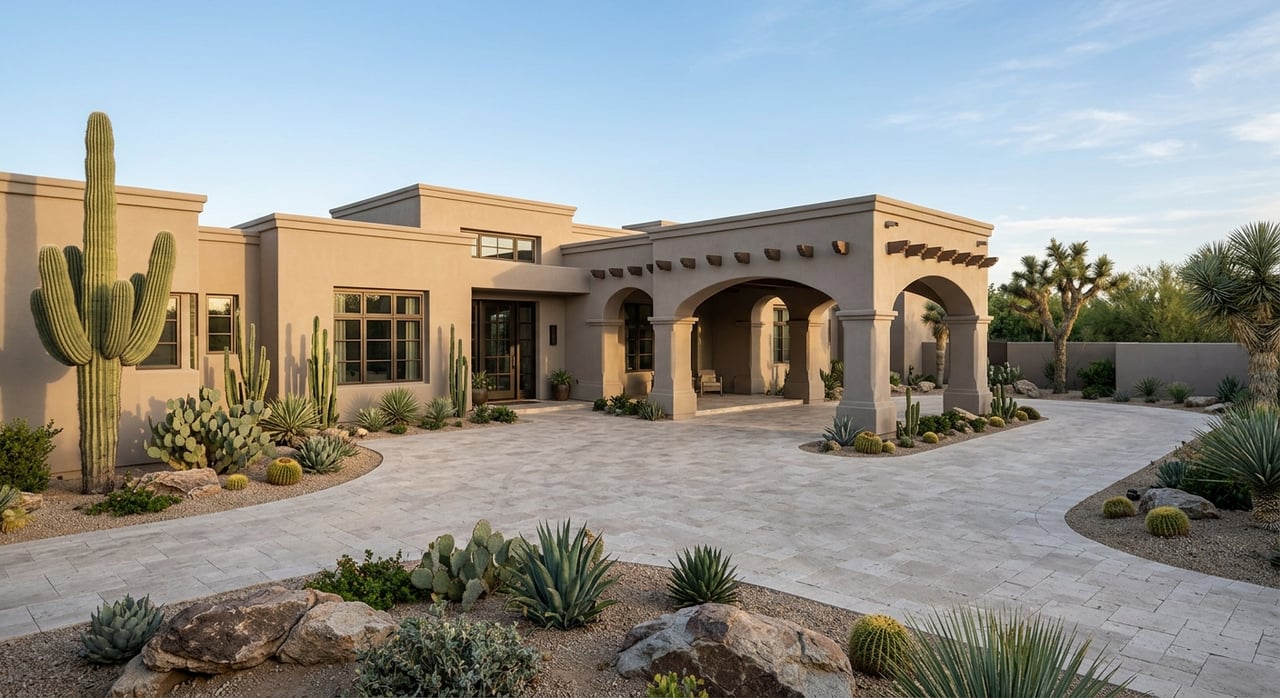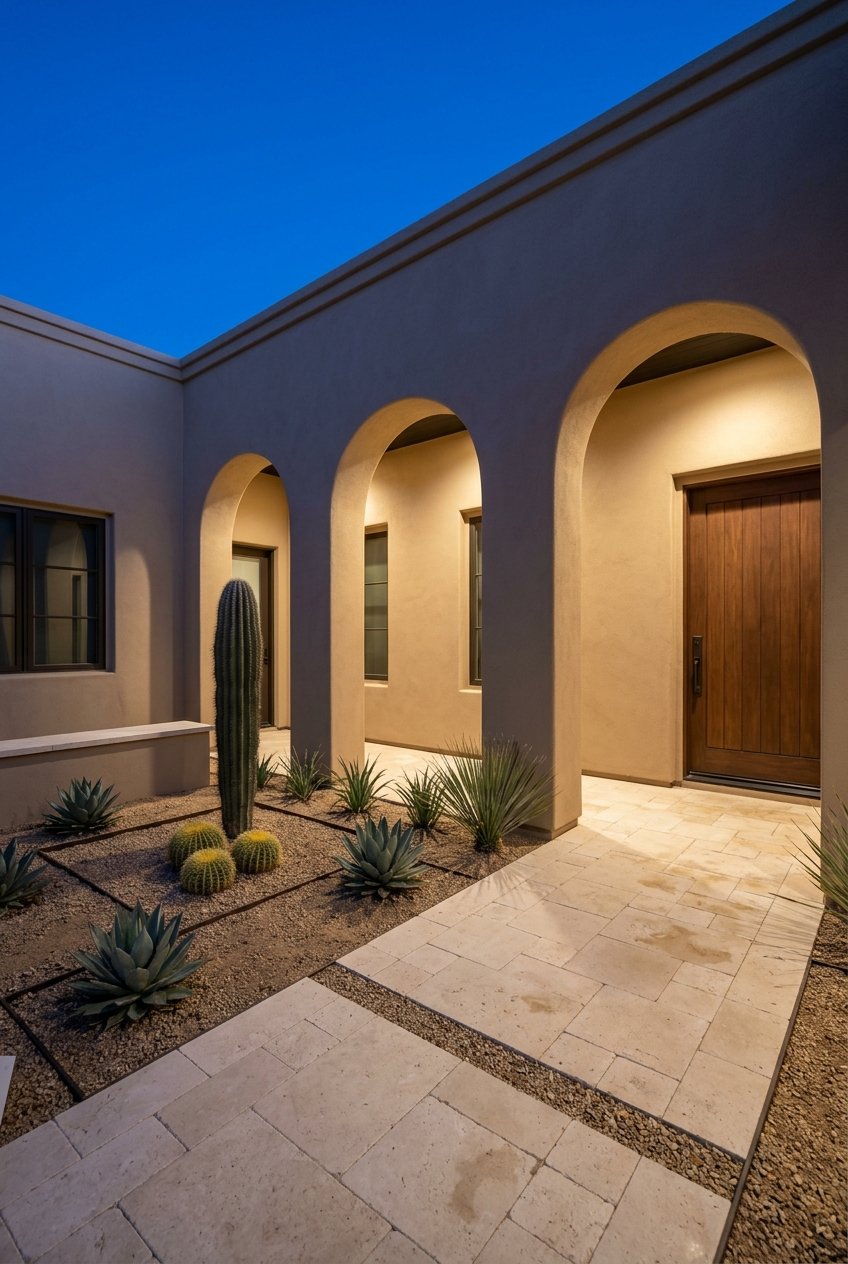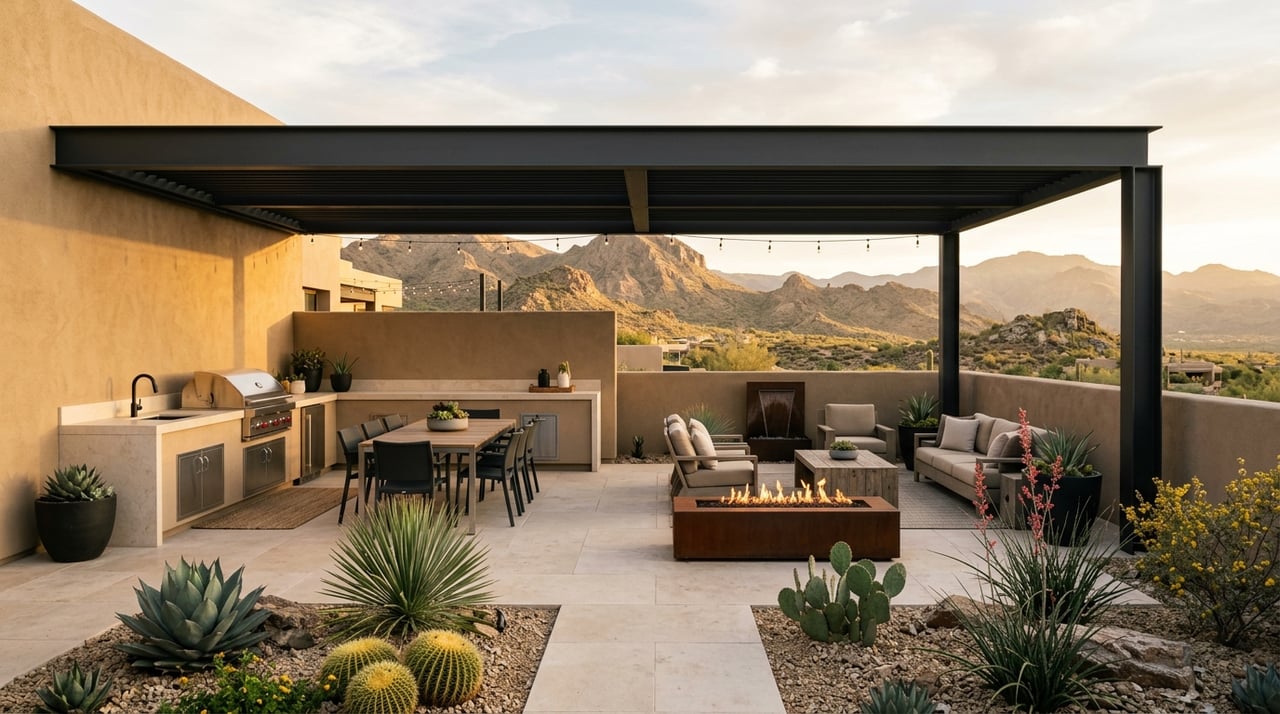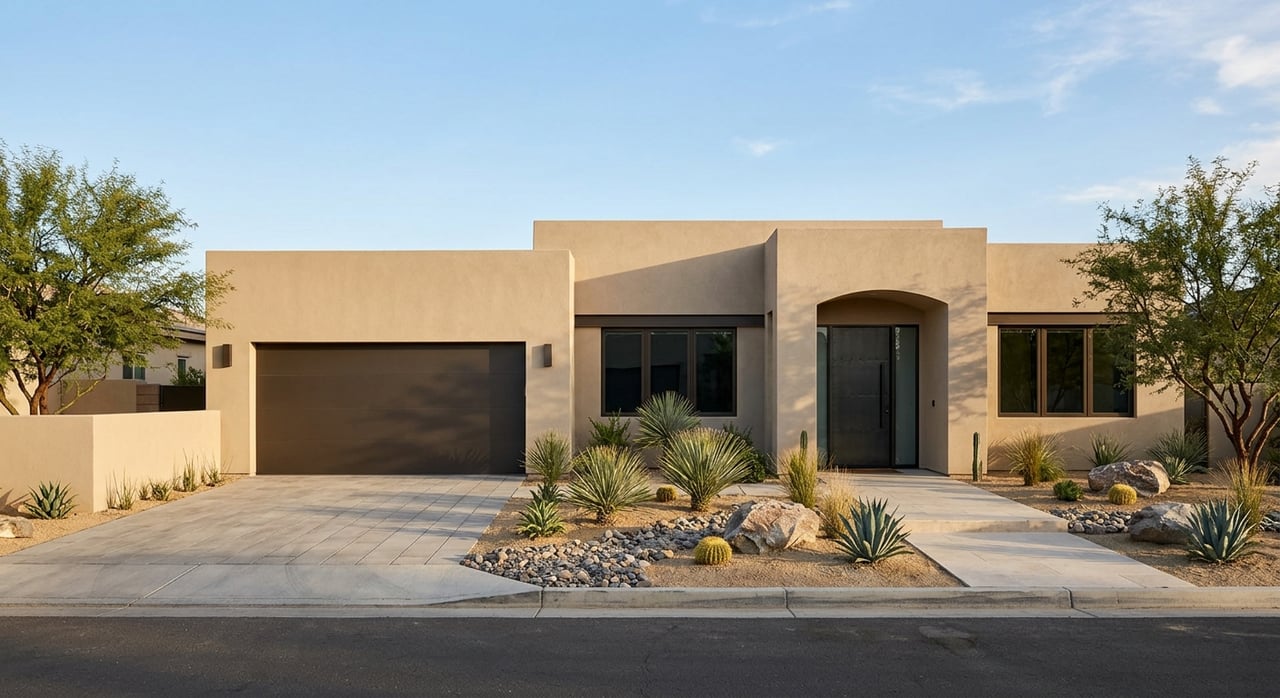
If you fall in love with a Cave Creek lot at first sight, pause before you picture the house. In Cave Creek, a beautiful parcel is only part of the story. You also need to know whether the site is legally buildable, practically accessible, and suited to the desert setting. This guide walks you through the lot factors that matter most so you can choose a custom home site with more confidence. Let’s dive in.
Why lot selection matters in Cave Creek
Cave Creek is not a flat, one-size-fits-all land market. The town is shaped by open space, desert rural neighborhoods, trails, and a historic commercial core, so each parcel comes with its own mix of opportunities and limits.
That means choosing a homesite is about more than views or privacy. You want a lot that supports your lifestyle, fits town rules, and does not create expensive surprises later in the building process.
Confirm the parcel is actually in Cave Creek
One of the first things to verify is jurisdiction. The Town of Cave Creek notes that a 85331 ZIP code does not automatically mean a property is within Cave Creek town limits, because that ZIP code can also include areas in Carefree, Phoenix, Scottsdale, or unincorporated Maricopa County.
This matters because zoning, services, and permitting can differ depending on where the parcel is located. Before moving forward, make sure you know which jurisdiction governs the lot and which rules apply to your build.
Check zoning before anything else
Zoning should be your first serious filter. Cave Creek’s residential zoning includes Desert Rural districts such as DR-190, DR-89, DR-70, and DR-43, and those districts have different minimum lot sizes ranging from 43,000 square feet to 190,000 square feet.
Zoning can also affect how much of the site you can disturb during construction. In practical terms, two lots with similar acreage may offer very different buildable envelopes depending on the zoning district and the terrain.
Understand rural use expectations
Many Desert Rural parcels have a more rural character than buyers expect. The town states that many of these parcels allow ranching and, on at least two contiguous acres, horses or livestock.
That does not mean every buyer wants those uses nearby, but it does mean you should understand the area’s land-use context. A lot that feels peaceful and open today should also be evaluated based on what surrounding properties are legally allowed to do.
Review setbacks and disturbance limits
Cave Creek’s zoning rules are especially important on challenging sites. The town’s residential table shows hillside disturbance caps of 15% in DR-190, 20% in DR-89 and DR-70, and 30% in DR-43, with total disturbance including lot coverage, driveways, septic areas, and accessory uses.
Those numbers can materially affect home placement, driveway design, and even whether a site works for the house you have in mind. A larger parcel does not always mean more freedom if the terrain is restrictive.
Read the private rules too
Town zoning is only one layer. Cave Creek is clear that CC&Rs and HOA rules are private contracts, not town-enforced regulations, and they may be more restrictive than zoning, though not less restrictive.
For a custom home buyer, this can be a major issue. A lot may comply with town standards but still face stricter architectural review, fencing limitations, design standards, or use restrictions under private rules.
Study slope, not just square footage
In Cave Creek, topography can shape the whole project. The hillside ordinance applies to any portion of a lot with a natural undisturbed slope of 15% or greater, and hillside lots require extra review before a permit can move forward.
The town requires zoning clearance for these sites before a building permit. It also requires site plans with 2-foot contour intervals and clearly marked hillside areas, which tells you how closely the land itself will be evaluated.
Know what hillside rules can trigger
A sloped lot can be stunning, but it may also require more planning and cost. For buildings accessed by a hillside driveway, the town says fire flow or a draftable water source must be assured before zoning clearance or a building permit is issued.
Driveway design matters too. The ordinance states that driveways steeper than 12% must be paved with asphalt or concrete tinted to blend with the terrain.
Pay close attention to washes and flood risk
Washes are a major site-selection issue in Cave Creek. The town’s wash ordinance is designed to conserve natural land, protect health and safety, and minimize changes to the natural environment where major or minor washes are involved.
If a parcel includes or borders a wash, the town may require a 100-year floodplain and erosion setback analysis prepared by an Arizona-registered civil engineer. The code also says major wash floodplain and erosion setbacks should remain in their natural condition except for necessary roadways, driveways, and utility easements.
Compare maps with the site itself
Flood and wash issues should be reviewed early, not after you are emotionally committed to a lot. Maricopa County’s floodplain guidance explains that FIRM maps govern 100-year floodplain determinations and that new habitable construction must be above base flood elevation.
In practice, that means you should compare the parcel’s maps, topography, and likely building area before treating it as a straightforward custom-home site. What looks usable on a listing sheet may be much more limited on the ground.
Think about sun, shade, and comfort
Desert orientation matters more than many buyers realize. Climate information for the Phoenix area describes a hot, sunny desert environment with low rainfall, low humidity, hot summer days, and abundant sunshine.
For your future home, that can influence how comfortable and efficient the site will be. A lot with harsh western exposure, unshaded outdoor areas, or poor placement options for patios and glass may be less comfortable and more expensive to cool in the hottest months.
Plan for dark skies and desert character
Cave Creek also places clear value on preserving dark skies and the Sonoran Desert setting. The town’s residential lighting rules require outdoor fixtures to be fully shielded so the bulb or source is not visible from an adjoining property or adjacent street, and light standards are limited to 10 feet in height.
That means your lot choice should support not only views, but also a realistic lighting and landscape plan. The best sites often let a home sit naturally into the desert rather than overpower it.
Verify access before you assume buildability
A parcel is only as useful as its access. Cave Creek says the town is predominantly served by rural roads with low speed limits, many properties rely on private roads that the town does not maintain, and roads, trails, and washes may become impassable during extreme weather.
This is one reason raw land and custom lots need careful due diligence. You want to confirm recorded access, practical driveway location, and whether emergency vehicles can reach the site without creating major design obstacles.
Understand frontage and easements
The town notes that new addresses are assigned based on parcel frontage and access. It also states that the planning department does not keep records of private access easements, which are maintained by the Maricopa County Recorder.
So if a lot depends on an easement or shared private road, do not treat that as a minor detail. Access should be documented and reviewed early, because it can affect both construction feasibility and long-term resale appeal.
Confirm water and sewer options early
Utility planning can quickly separate a practical lot from a complicated one. Cave Creek says water service reaches most residences and businesses in town, but sewer service is only available in the core portion of town, and some areas are not connected to sewer at all.
That means a custom homesite may require a well, septic, or both depending on location. The town directs buyers to the Arizona Department of Water Resources for well permits and to Maricopa County for septic permits.
Watch for service-area limitations
The town also notes that it is no longer accepting water will-serve requests outside Cave Creek. For buyers considering raw land near the edges of the market, that is an important detail to verify before assuming utility service can be extended.
Cave Creek’s water-supply FAQ also states that the town is about 95% dependent on Colorado River water delivered through the Central Arizona Project, while Desert Hills is partly groundwater and partly supplied by town water through an interconnect. Utility reality should always be part of lot selection, not an afterthought.
Balance lifestyle goals with resale
A great Cave Creek homesite should support the way you want to live now while still making sense later. The town highlights local amenities such as art galleries, golf, hiking, shops, history, and live bull riding, along with trail connections to Cave Creek Regional Park, Spur Cross Ranch Conservation Area, the Tonto National Forest, the Maricopa Trail, and Desert Foothills Land Trust properties.
Those lifestyle features are part of Cave Creek’s appeal, but location within the town still matters. The town notes that homes near the commercial core may experience more noise and traffic, while homes near trails and open space may offer more privacy and natural surroundings but may also come with additional land-use constraints.
The best lots usually balance several factors
In many cases, the strongest custom-home sites are not simply the highest, largest, or most dramatic parcels. They are the ones that balance views, access, utility practicality, privacy, and a realistic path to construction.
That kind of balance can help protect both your experience as an owner and the property’s future marketability. In Cave Creek, that often matters more than a flashy first impression.
A practical lot-checklist for buyers
Before you move forward on a custom home site in Cave Creek, ask these questions:
- What is the exact zoning district?
- Does the parcel meet minimum lot size and setback rules?
- Does any part of the lot include slopes of 15% or greater?
- Is there a wash, floodplain, or erosion setback that could reduce the buildable area?
- Is access legally recorded and practically usable?
- Will the site support emergency access and a workable driveway?
- Is the property served by town water, sewer, both, or neither?
- Will the lot need a well or septic system?
- Are there CC&Rs or HOA rules that are stricter than town code?
- Does the lot orientation support shade, privacy, and comfortable outdoor living?
A thoughtful review on the front end can save you time, money, and frustration later. It can also help you focus on parcels that truly fit your goals.
Choosing the right custom home site in Cave Creek is part vision and part due diligence. If you want a clear, local perspective on how a parcel fits your build plans, resale goals, and the realities of the Cave Creek market, Mary Jones can help you evaluate the details with a calm, consultative approach.
FAQs
What should you check first on a Cave Creek custom home lot?
- Start with jurisdiction, zoning, and any private CC&Rs or HOA rules, because a parcel may look ideal but still have legal or design limits that affect buildability.
How does zoning affect a custom home site in Cave Creek?
- Cave Creek zoning affects minimum lot size, setbacks, and in some cases how much of a hillside lot can be disturbed, which directly impacts the site’s usable building area.
Do Cave Creek hillside lots have extra building requirements?
- Yes. Lots with natural undisturbed slopes of 15% or greater fall under the town’s hillside ordinance and may require zoning clearance, detailed contour plans, and added driveway or fire-flow considerations.
Why do washes matter when choosing land in Cave Creek?
- Washes can trigger floodplain and erosion setback analysis, reduce the practical buildable area, and limit how much of the natural wash area can be altered.
Can a 85331 address mean the property is outside Cave Creek?
- Yes. The Town of Cave Creek states that the 85331 ZIP code can also include areas in Carefree, Phoenix, Scottsdale, or unincorporated Maricopa County.
What utility questions should you ask about a Cave Creek lot?
- Ask whether the parcel has town water, sewer, both, or neither, and confirm early if the site will require a well, septic system, or additional utility planning.
How do dark-sky rules affect a custom home in Cave Creek?
- Cave Creek requires outdoor residential lighting to be fully shielded and limits light standard height, so site planning should account for how the home, landscape, and lighting will fit the desert setting.
What makes a Cave Creek custom homesite attractive for resale?
- Lots that balance views, privacy, access, utility practicality, and a realistic path to building tend to be more appealing than parcels that create major construction challenges.