If you want a second home that feels like an escape without becoming a second job, Carefree deserves a close look. Many buyers are drawn to the area for its desert setting, mountain views, and easy access to Phoenix and Scottsdale, but the real appeal of a lock-and-leave home is simpler: you can enjoy your time here without constant upkeep. If you are considering buying a second home in Carefree, this guide will help you focus on what matters most before you buy. Let’s dive in.
Why Carefree Works Well
Carefree offers a blend of retreat-style living and everyday convenience. According to the Town of Carefree, the town is known for its Sonoran Desert setting, small-town feel, art, restaurants, and location about 30 minutes from Phoenix or Scottsdale.
That combination matters when you are buying a second home. You may want privacy and a change of pace, but you also want a place that is easy to access, easy to enjoy, and practical to own when you are not in town.
Another advantage is the local amenity base. The town’s Village Center Redevelopment Plan focuses on a pedestrian-oriented mixed-use district with specialty shops, dining, art, and events. For many second-home buyers, that supports a lock-and-leave lifestyle because you can rely more on nearby conveniences and less on maintaining a large, labor-intensive property.
What Lock-and-Leave Means
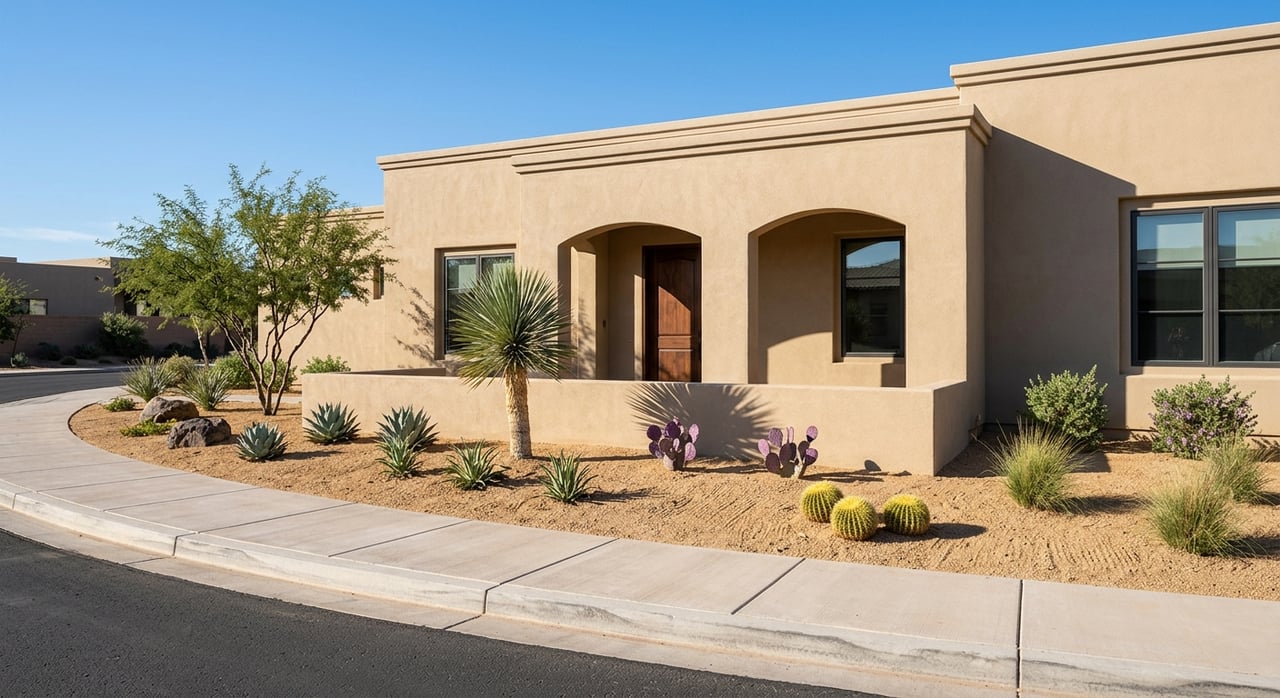
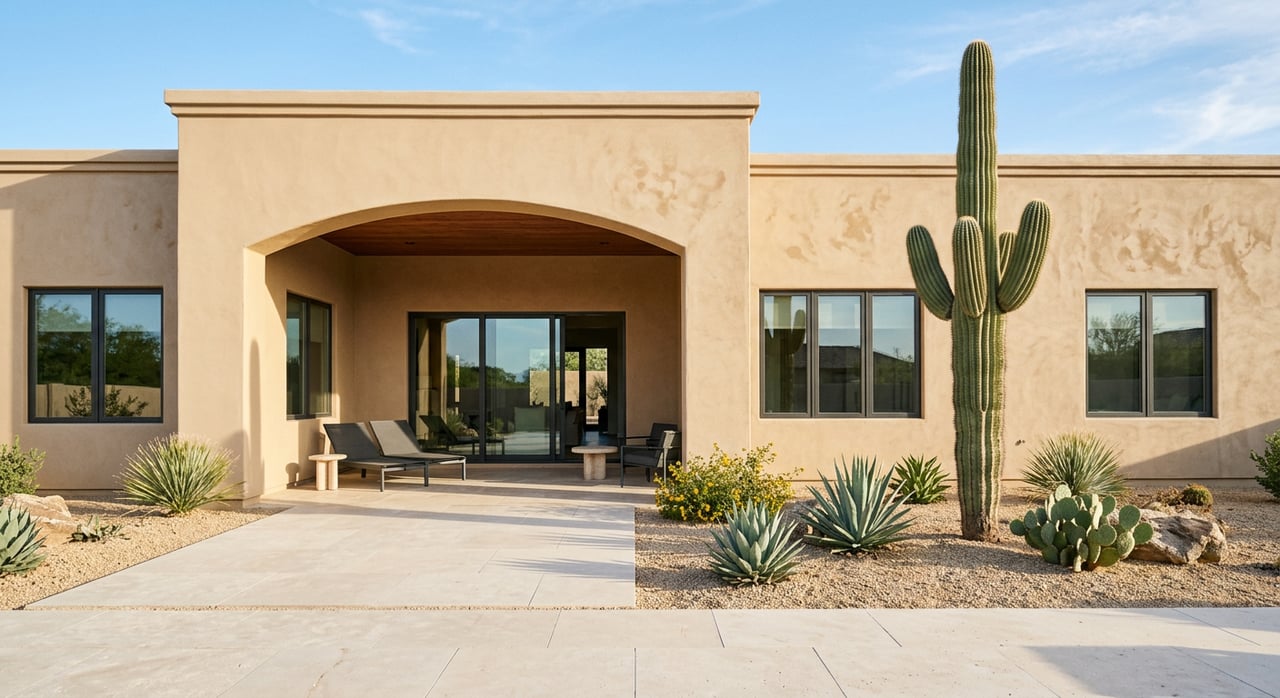
A lock-and-leave home is designed to be easier to manage when you are away for stretches of time. In Carefree, that usually means choosing a property with a low-maintenance exterior, efficient desert landscaping, and home systems that can be monitored or serviced without frequent in-person visits.
It does not always mean smaller. It means more manageable. A well-planned home with durable materials, streamlined outdoor spaces, and reliable systems may fit your goals better than a larger property with features that require constant attention.
Carefree Climate Matters
In Carefree, climate should shape your home search from day one. NOAA’s 1991 to 2020 normals for the local station show an annual mean temperature of 70.6°F, average July highs of 103.4°F, average August highs of 102.3°F, annual precipitation of 12.58 inches, and no average annual snowfall, according to NOAA climate normals data.
For you as a buyer, that means heat, sun exposure, and dust management are more important than snow removal or winter freeze concerns. A home that performs well in desert conditions is usually easier to own seasonally than one with systems or landscaping that struggle in prolonged heat.
Prioritize Low-Maintenance Exteriors
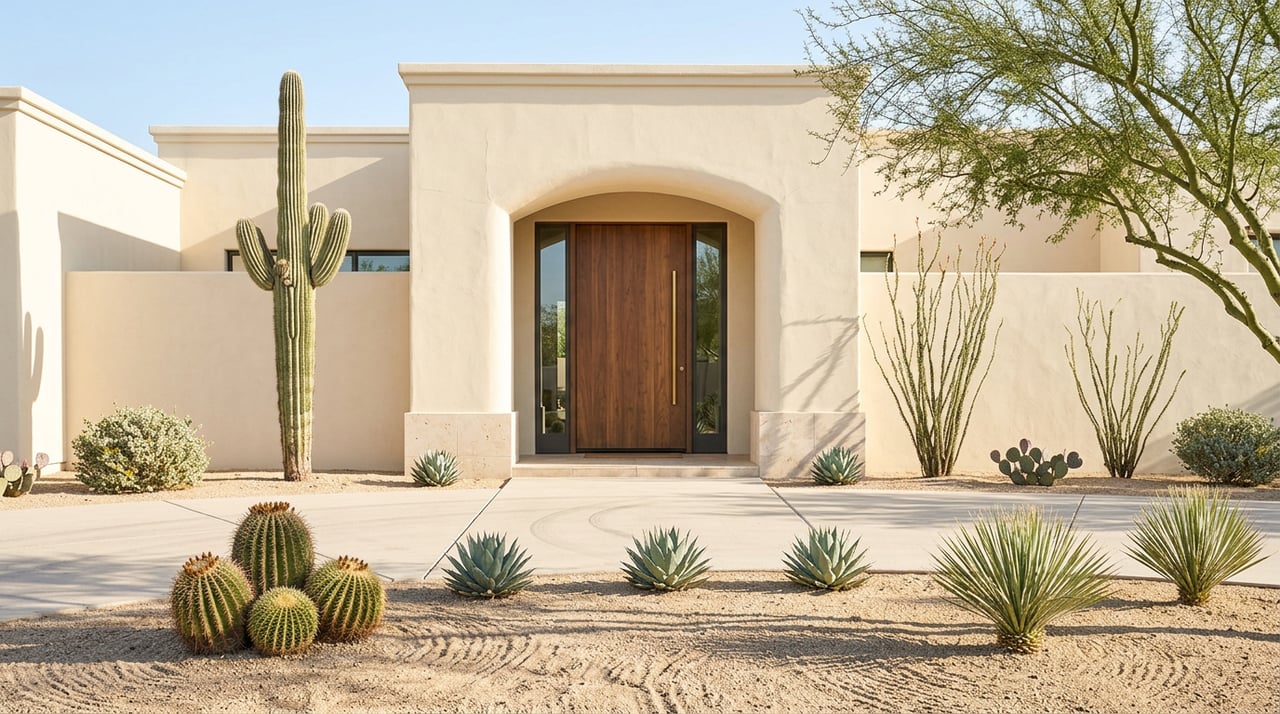
When you walk a property, pay close attention to the exterior envelope. A lock-and-leave second home is usually easier to manage when the roofline is straightforward, the exterior materials are durable, and maintenance items are easy to inspect.
You should also look at how quickly routine upkeep can be handled. Roofs and gutters that can be checked and cleared efficiently, hardscape that does not need frequent repair, and exterior details that reduce fire risk can all make ownership simpler.
The Town of Carefree’s wildfire prevention guidance recommends removing dead or dry vegetation, replacing invasive grasses such as buffelgrass, red brome, and fountain grass, and using fire-resistant materials with trimmed vegetation. Those recommendations align closely with what many second-home buyers want anyway: a property that is safer, cleaner, and easier to maintain.
Choose Desert-Friendly Landscaping
One of the biggest mistakes second-home buyers can make is choosing a yard that needs constant attention. In Arizona, the Department of Water Resources says as much as 70% of residential water use is outdoors and recommends efficient, regionally appropriate landscape design, plant selection, and irrigation.
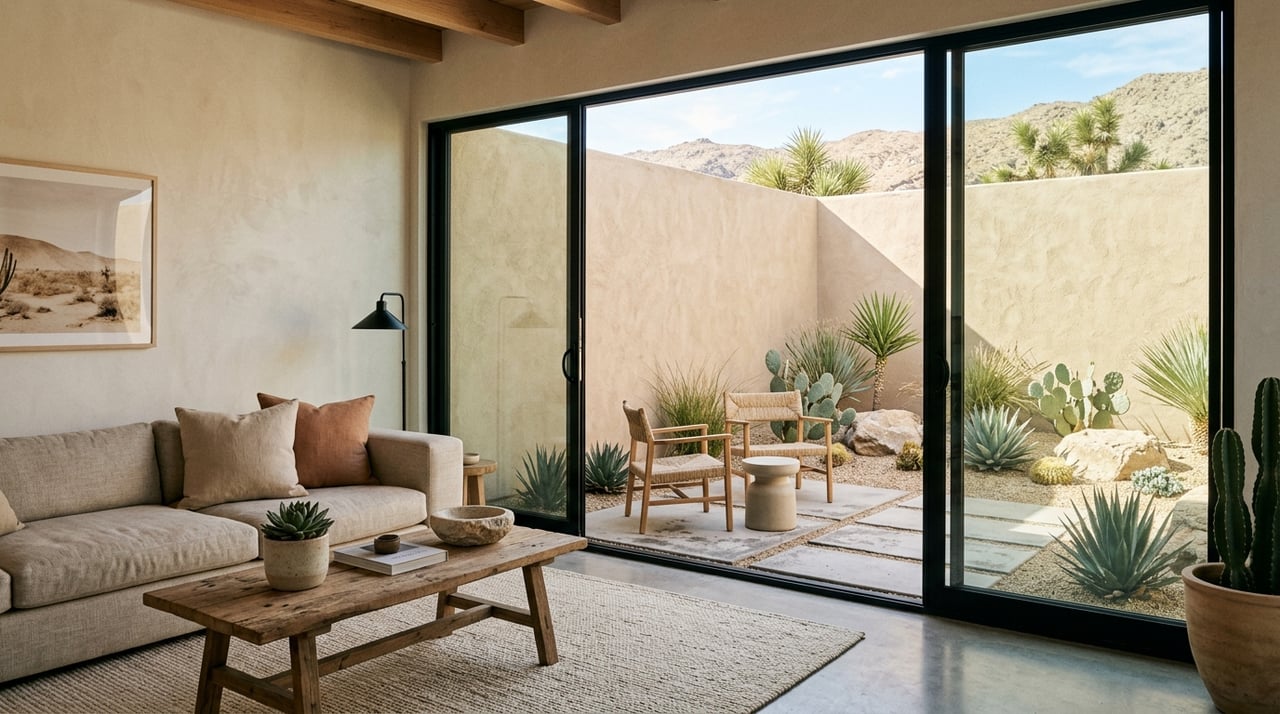
That makes xeric landscaping more than a style choice. In Carefree, desert-adapted plants, simplified irrigation, and lower-water-use design can reduce maintenance demands and make the property easier to manage while you are away.
Rainwater harvesting can also be more effective when paired with native, low-water-use, desert-adapted plants, according to the same Arizona water guidance. If you are comparing properties, a landscape plan built for the desert will usually serve you better than one that depends on frequent hand watering and high intervention.
Focus on Systems You Can Trust
Inside the home, your priorities should be practical. In a hot, dry climate, HVAC reliability matters. So do insulation, irrigation timers, and leak detection.
A home that supports remote monitoring or easy service access is often a better fit for seasonal ownership. If you are gone for part of the year, systems that can be checked quickly and managed with less on-site oversight can save time, stress, and unnecessary repair costs.
Think About Emergency Access
Emergency planning is especially important when a home may sit vacant for stretches of time. Carefree offers a free lockbox program and Community Connect option that can give emergency responders secure access to a property and allow owners to share details such as emergency contacts, pets, access codes, and floor plans.
For second-home owners, that is a meaningful local resource. It can help reduce forced-entry risk during emergencies and support a more prepared, vacancy-friendly setup.
Review Permits and Future Plans
Before closing, make sure you understand what has been done to the property and what you may want to do later. The Town of Carefree’s Building Department states that all construction requires a permit and that plan review, permit issuance, and inspections are coordinated through the permit portal.
Carefree also notes that adopted codes require fire sprinkler systems in all new residential and commercial buildings effective January 24, 2023. On the town’s planning pages, Carefree explains that some projects may require review by the Planning & Zoning Commission, Development Review Board, Board of Adjustment, and/or Town Council.
That means your due diligence should go beyond the home’s appearance. If you are thinking about exterior changes, additions, or major landscape updates, confirm the approval path before you buy.
Check Wildfire Readiness Early
Wildfire due diligence should be part of your buying process in Carefree. The town states that the area is highly vulnerable to wildfires and identifies mid-April through September as brush-fire season in its wildfire prevention resources.
The town recommends defensible space, native or fire-resistant plants, ember-resistant vent covers, Class A roofing, and keeping roofs and gutters clear. The U.S. Forest Service recommendations cited in local guidance also support clearing leaves and debris from roofs and gutters, removing flammable materials near the home, and managing vegetation around the structure.
These details matter for two reasons. First, they can affect how manageable and resilient the home is when you are away. Second, they can influence insurance.
Ask for Insurance Quotes Before Closing
Insurance should not be a last-minute task. Arizona’s Department of Insurance and Financial Institutions warns that homes in high wildfire risk areas may face higher costs or difficulty finding coverage, as noted in Carefree’s wildfire guidance.
If you are serious about a property, ask for insurance quotes early in the process. That gives you a clearer picture of total ownership cost and helps you avoid surprises late in escrow.
Understand Tax and Rental Rules
A second home and a rental property are not always treated the same way. The Maricopa County Assessor states that a vacation home or secondary residence is classified as a non-primary residence, and Arizona allows only one primary residence per owner.
If you may rent the property, your due diligence needs to go further. The research provided notes that short-term stays under 30 days are subject to TPT through the Arizona Department of Revenue and may require a city or town business license, while the Town of Carefree requires an annual short-term or vacation rental license, neighbor notification, and liability coverage.
The key takeaway is simple: a lock-and-leave second home is not automatically the same as a lock-and-rent investment property. If rental use is part of your plan, confirm the legal, tax, and licensing requirements before you commit.
Your Carefree Buying Checklist
As you evaluate homes in Carefree, keep your focus on ease of ownership. A strong shortlist should include:
- Low-maintenance exterior materials
- Desert-adapted landscaping
- Efficient irrigation and drainage
- Reliable HVAC and insulation
- Leak detection or remote monitoring options
- Wildfire mitigation features
- Insurance availability and estimated cost
- Permit history for past work
- Zoning or HOA review if applicable
- Clear understanding of tax classification
- Rental rule review if you may lease the home
The right property is usually the one that supports your lifestyle with fewer moving parts. In Carefree, that often means choosing durable, desert-smart, well-documented homes over properties that look impressive but require constant oversight.
A Smart Second Home Starts With Local Guidance
Buying a lock-and-leave second home in Carefree is about more than finding a beautiful house. It is about finding a home that works well in the desert, fits your time away, and holds up to the practical realities of seasonal ownership.
With the right due diligence, Carefree can offer a compelling mix of scenery, convenience, and low-maintenance living. If you want help evaluating homes, reviewing the details that matter, or comparing second-home options in Carefree and nearby areas, Mary Jones offers a thoughtful, local, consultative approach designed to help you buy with clarity and confidence.
FAQs
What makes a lock-and-leave second home in Carefree practical?
- A practical lock-and-leave home in Carefree usually has low-maintenance exterior materials, desert-adapted landscaping, efficient irrigation, reliable HVAC, and features that are easier to monitor or service when you are away.
What climate issues should second-home buyers consider in Carefree?
- Carefree’s climate brings intense summer heat, strong sun exposure, low annual rainfall, and dust, so buyers should pay close attention to cooling systems, insulation, exterior durability, and water-wise landscaping.
What should buyers verify before closing on a Carefree second home?
- Before closing, you should review permit history, possible zoning or HOA restrictions, irrigation condition, wildfire mitigation measures, insurance options, and how the property will be classified for tax purposes.
What wildfire steps matter for a second home in Carefree?
- Important wildfire-related steps include maintaining defensible space, removing dead vegetation, keeping roofs and gutters clear, and looking for features such as ember-resistant vent covers and Class A roofing.
What is the difference between a Carefree second home and a Carefree rental property?
- A second home is generally treated as a non-primary residence, while a property used for short-term rental may trigger additional tax, licensing, neighbor notification, and liability coverage requirements in Carefree.
What local feature adds convenience for seasonal homeowners in Carefree?
- Carefree’s free lockbox program and optional Community Connect profile can help emergency responders access important property information and enter the home more efficiently if an emergency happens while you are away.