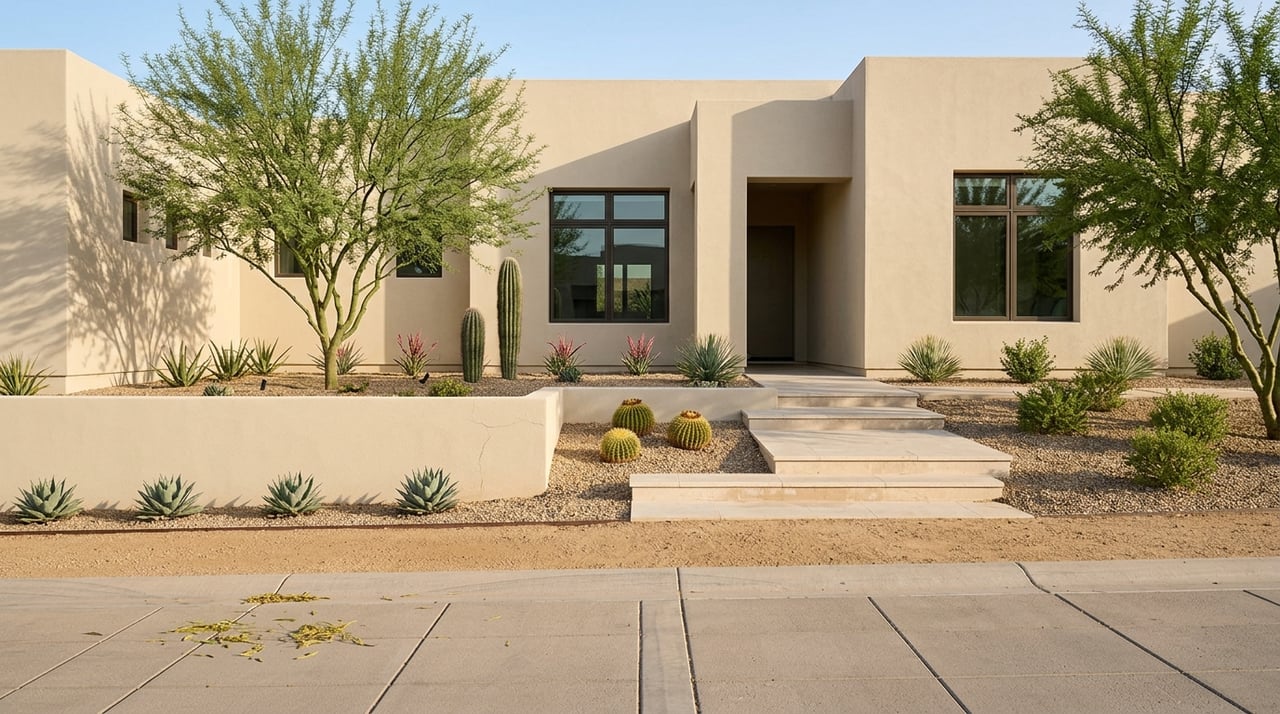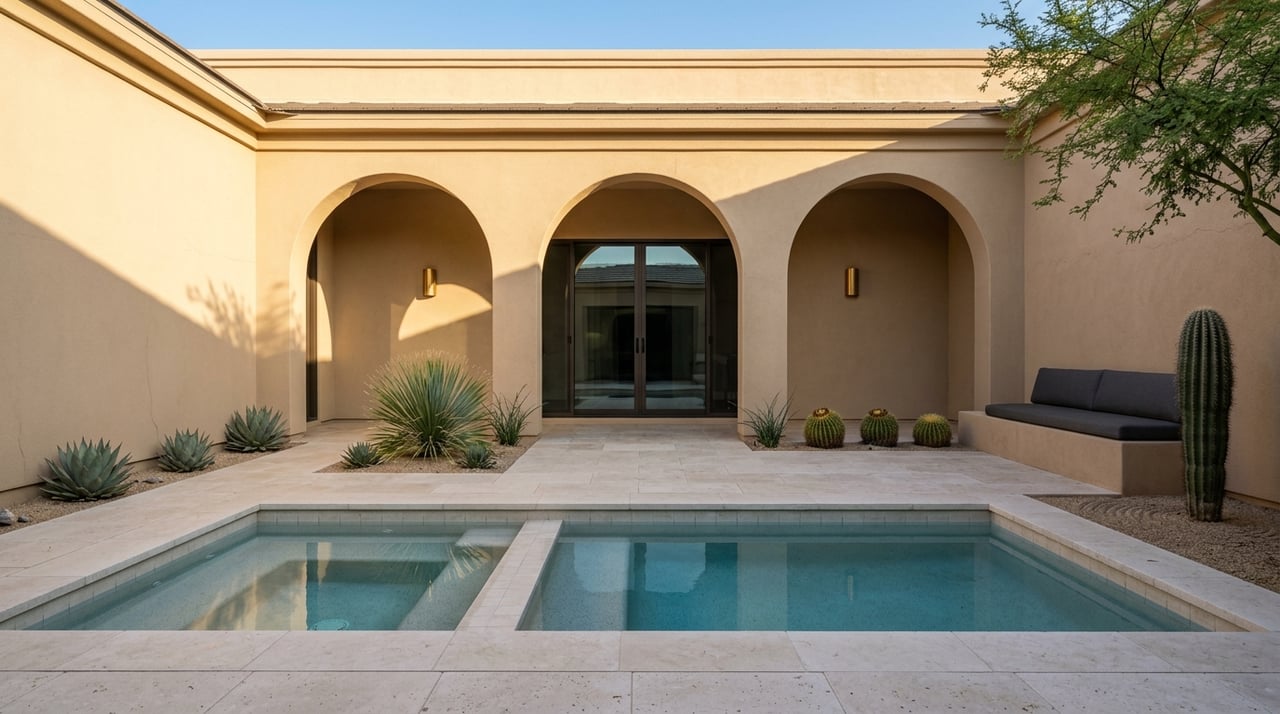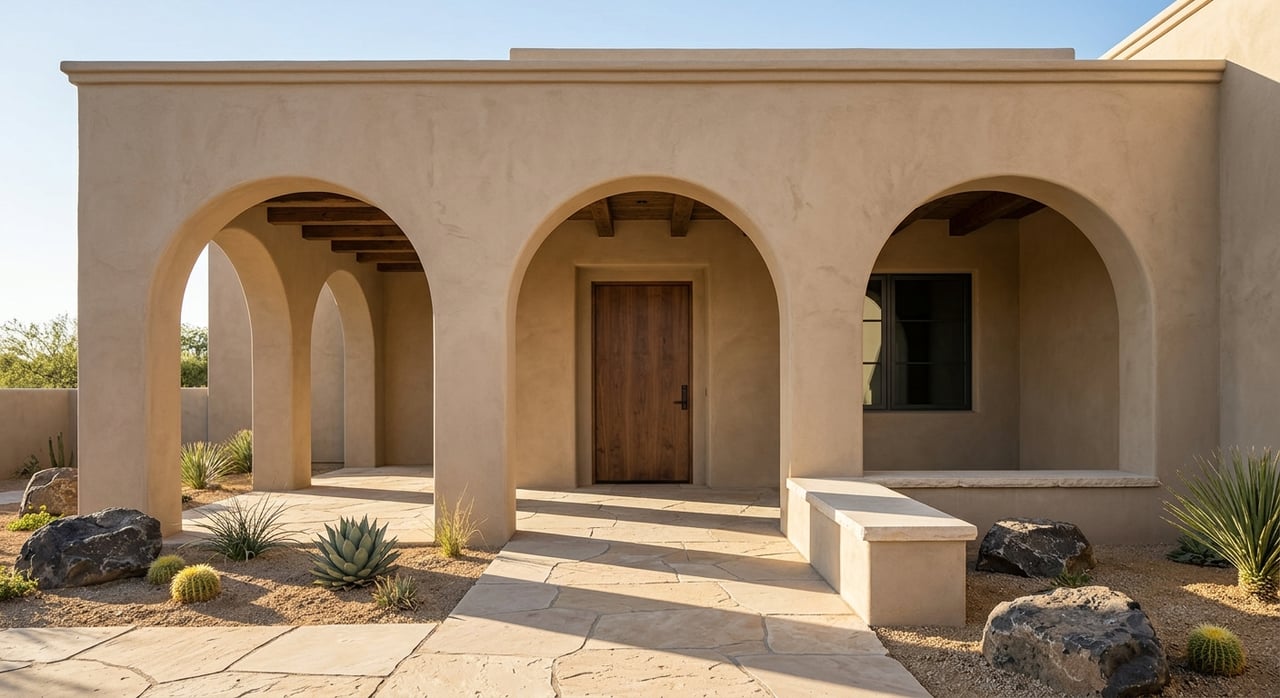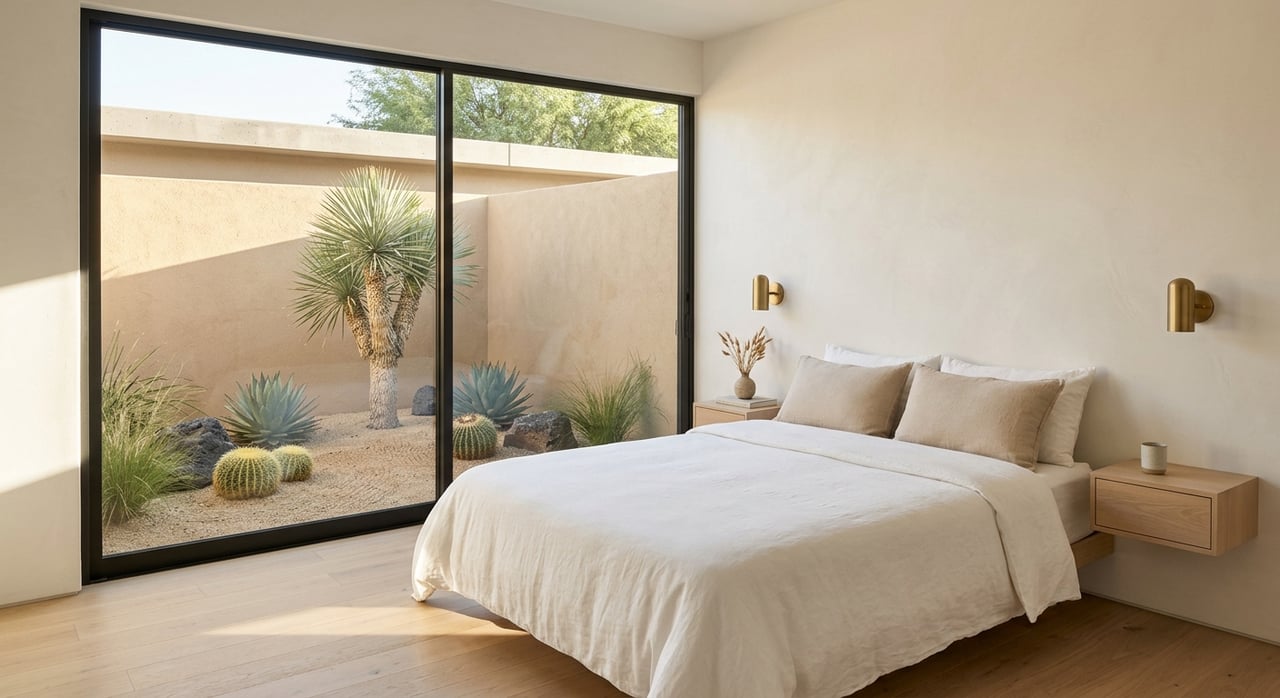
Should you build from the ground up or buy a move-in-ready estate in Paradise Valley? When you are shopping at the luxury level, the right choice shapes your lifestyle, timeline, and long-term value. This guide gives you clear, local insight on costs, zoning, timelines, design trade-offs, and resale drivers so you can move forward with confidence. Let’s dive in.
Paradise Valley luxury market now
Paradise Valley sits in the ultra-luxury bracket. As of January 2026, major portals reported a median sale price near $4.78M, a typical home value around $3.38M, and median list prices in the multi-million range. Differences come from whether a source tracks sale price, list price, or a value index. The takeaway is simple: PV is highly segmented, with different dynamics in the $2M to $6M tier compared to $10M-plus estates. Recent top-end closings, including a reported $30M sale, reinforce expectations for site quality and finishes at the peak of the market. For buyers, that means careful comp selection and lot-by-lot evaluation. Recent ultra-luxury reporting shows how unique view lots and premier builds can command exceptional prices.
New build vs resale: what you get
New build strengths
- Full customization of floor plan, orientation, and finishes so your home fits the lot and your lifestyle.
- Modern systems from day one: high-efficiency HVAC, advanced insulation, EV charging, smart-home infrastructure, and solar readiness.
- Optimized indoor and outdoor flow. You can engineer spans, shading, and covered living to the site rather than retrofitting an older footprint.
- Defined builder warranties that cover workmanship and systems for set periods.
Resale strengths
- Immediate occupancy and known view lines. You can experience the light, privacy, and setting before you buy.
- Mature landscaping and established buffers that often take years to achieve.
- Potential to renovate strategically. You can update kitchens, baths, roofs, and systems, but factor in permits, timelines, and carrying costs.
Lots and zoning shape your options
In PV, the lot often drives the decision. Most of the town is zoned R-43, which typically requires about one acre. Other districts include R-175 (about four acres), R-35, R-18, and R-10, with a few legally nonconforming smaller lots that predate annexation. These minimums affect whether you can split lots, add guest structures, or develop multi-building compounds. Review the Town’s Resident Guide for details on zoning, height, and setbacks. Town of Paradise Valley Resident Guide
Hillside parcels trigger additional review by the Hillside Building Committee. Design review, drainage, and grading standards can influence massing and timeline. The Town is also working on a zoning code refresh, with targeted updates expected in mid-2026, so you or your team should always verify current rules before committing to a design. See a recent overview of the public process here: Update on the zoning code refresh.
Key lot features to weigh include:
- View corridors to Camelback and Mummy Mountain
- Orientation for indoor-outdoor living and shading
- Wash setbacks, easements, and driveway approach
- Privacy, guest parking, and service access
- Mature trees and established irrigation systems
A well-sited teardown on a small lot may not match the premium of a completed estate on a one-plus acre parcel with protected views and privacy. Site due diligence comes first.
Timelines and approvals
Typical build durations
- Quick-delivery spec homes: If a new home is finished, closing can be as fast as 1 to 3 months after selection.
- Semi-custom: About 6 to 12 months once permits and selections are complete.
- Full custom luxury: Commonly 12 to 24 months from permits to move-in, with complex estates taking longer. The design and entitlement phase usually adds several months before vertical construction begins. For an Arizona overview, see this guidance on timelines: Understanding the timeline to build a custom home.
Permits in PV
All projects require Town building permits. Hillside lots require Hillside Building Committee sign-off. Plan checks typically include drainage, grading, and landscape. Variances, if needed, go through the Board of Adjustment. Confirm the latest submittal checklist and standards with the Town’s Community Development team. Town Resident Guide
Construction financing basics
Many buyers use construction or construction-to-permanent loans. A single-close construction-to-perm option converts to a standard mortgage at completion, while a two-close approach replaces the construction loan with a separate mortgage later. Lenders follow guidelines on construction periods, draws, and inspections. Review the framework here: Fannie Mae single-closing guidance. Always consult your lender or financial advisor for product availability and terms.
Cost and carrying cost realities
Build cost ranges
For luxury custom work in the Phoenix and Paradise Valley area, many custom builders cite broad ranges around $350 to $750-plus per square foot depending on complexity and finishes. Smaller or move-in spec inventory can sit lower, while bespoke estates on challenging sites skew higher. Use conservative ranges when budgeting and compare against recent closed comps for your micro-area. Local cost range overview
Carrying costs to plan for
- Construction-phase interest. Most construction loans are interest-only on drawn funds during the build. Ask your lender to model both interest carry and the conversion to a permanent loan at completion. For basics on timing, see this explainer: When do you start paying a construction loan.
- Insurance. Builder’s-risk is common during construction. Confirm with your builder and lender which party carries this policy and how it is billed, then plan for homeowners insurance post-completion.
- Property taxes and supplemental bills. In Arizona and Maricopa County, ownership changes and new construction can trigger supplemental assessments. Model likely taxes so there are no surprises. Here is a consumer-friendly overview: Maricopa property tax guide.
- Utilities and soft costs. On larger PV lots, landscape establishment, irrigation, utility connections, HOA or private road fees, and off-site items like walls or driveway work can be material. Confirm requirements with the Town early. Town Resident Guide
Resale value and marketability
In PV, value follows the lot. Orientation, protected views, privacy, approach and security, architectural pedigree, construction quality, and seamless indoor-outdoor living all weigh heavily. Mature landscaping helps sell a home because buyers can see the finished experience. If you plan to resell within a few years of completion, consider the competitive set and timing. If many similar spec estates deliver in your submarket at once, short-term returns can compress. Unique custom estates on rare lots tend to preserve value better.
Decision framework for PV buyers
Use this checklist to decide your path:
- Confirm zoning and site constraints
- Verify lot size minimums, hillside status, wash setbacks, and easements. Request the current zoning map and any recent code updates. Town Resident Guide
- Decide on your timeline
- Need to move in within 3 months? Look for finished new builds or quality resales. Can you wait 12 to 24 months or more? A custom build is viable. Reference local build timing ranges. Custom home timeline guide
- Set a financial plan
- Compare single-close construction-to-perm vs two-close options. Ask for a side-by-side of rate buydowns or incentives from any builder vs independent lender quotes. Include interest-only carry, potential supplemental taxes, and soft costs in your budget. Fannie Mae single-closing guidance
- Vet your builder and team
- Review portfolios, warranty processes, and on-site management style. Tour recent projects and speak with past clients. This primer offers useful context: Local builder process insights
- Plan inspections and oversight
- For new builds, schedule independent inspections at key milestones like pre-drywall and final. For resales, order a full home inspection plus roof, structural, and septic specialists as needed.
- Model appraisal and resale
- Compare your all-in build cost per square foot to the most recent closed comps in your specific sub-area. Ask your agent to outline 3 to 5 year resale scenarios.
Local next steps
- Confirm the latest submittal requirements and any active code updates on the Town’s site, and contact Community Development with parcel-specific questions. Planning Commission portal
- Track the public zoning code refresh to understand potential changes to setbacks, height, or hillside standards. Zoning refresh overview
- If building, ask for a net price worksheet reflecting any builder incentives, a draw schedule, and a carry-cost estimate for interest and insurance. Compare with an independent lender and your CPA.
Which path fits you
Choose new construction if you want full control over design, the latest systems, and a floor plan that is tailored to your lot. You are comfortable with a 12 to 24 month build window and the carrying costs during construction. You plan to hold the property long enough to capture the value of customization.
Choose resale if you prefer certainty on views, privacy, and setting with immediate move-in. You value mature landscaping, established outdoor living, and the option to renovate selectively. You want to avoid construction-phase risk and carrying costs.
If you are weighing both, start with the lot. In PV, the right site often makes your best option obvious.
Ready to align your choice with the right lot, budget, and timeline? Reach out to Mary Jones for a private consultation. You will get a non-pressured plan tailored to your goals and access to on- and off-market opportunities across Paradise Valley.
FAQs
How do Paradise Valley lot sizes and zoning affect building a luxury home?
- Most of PV is R-43, which generally requires about one acre, with other districts like R-175, R-35, R-18, and R-10 also present. Hillside and setback rules shape massing and design, so confirm details with the Town before planning. See the Town’s Resident Guide for current standards.
How long does a custom luxury home take in Paradise Valley?
- A full custom build commonly runs 12 to 24 months after permits, with complex estates taking longer. Pre-construction design and approvals typically add several months before vertical work begins. Semi-custom can be 6 to 12 months, and finished spec homes can close in 1 to 3 months.
What are typical per-square-foot construction costs for high-end builds in PV?
- Local custom builders often cite broad ranges around $350 to $750-plus per square foot, depending on complexity, site work, and finishes. Use a conservative range when budgeting and compare against recent closed comps nearby.
What carrying costs should I plan for during new construction in Maricopa County?
- Budget for interest-only payments on construction draws, builder’s-risk insurance, potential supplemental property tax bills after new improvements, and soft costs like utilities, irrigation, and driveway or wall work. Your lender and CPA can model these for your specific build.
Are Paradise Valley design and zoning rules changing soon?
- The Town is refreshing parts of its zoning code, with targeted updates expected in mid-2026. Always verify current standards and submittal checklists with the Town before finalizing design, especially for hillside or view-sensitive lots.