Selling a custom home in Carefree is rarely a paint-by-numbers process. When your property offers a unique lot, mountain views, custom architecture, or outdoor living spaces designed for the Sonoran Desert, buyers are not just comparing bedroom counts. They are weighing lifestyle, setting, condition, and value in a niche market. In this guide, you’ll learn the key strategies that can help you price, present, and position your Carefree custom home more effectively. Let’s dive in.
Understand the Carefree market
Carefree is a distinct market within Maricopa County, and that matters when you sell a custom home. The Town of Carefree describes itself as a Sonoran Desert community known for mountain views, saguaro, dark skies, and small-town charm, with an emphasis on preserving rural character and thoughtful design. That local identity shapes what buyers expect and what they are willing to pay for.
As of March 2026, Redfin reports a median sale price of $1.3375 million in Carefree, with median days on market at 79. It also notes that the market is not very competitive, homes sell about 3% below list on average, and homes typically go pending in about 83 days. For sellers, that means timing and strategy matter, especially when your home is one of a kind.
The broader 85377 ZIP code can be misleading for pricing a custom property. Redfin shows a much lower median sale price at the ZIP level, which suggests the data is mixed with lower-priced attached homes. If you own a custom home in Carefree, city-level and property-specific comparisons are usually more useful than broad ZIP averages.
Price your home like a niche property
A custom home should not be priced like a standard production home. In Carefree, recent higher-end sales show wide swings in both final price and days on market, even among larger homes. That tells you size alone does not determine value.
Recent examples from the 85377 area show this clearly. A 6,422-square-foot home sold for $2.825 million after 86 days and closed 6% below list, while a 5,138-square-foot home sold for $1.85 million after 176 days and closed 12% below list. Another 5,020-square-foot home sold for $2.4 million after 214 days, and a smaller 2,853-square-foot home sold at list after 240 days.
The takeaway is simple: buyers in this segment pay for the right combination of lot, views, finishes, privacy, updates, and overall presentation. Your pricing strategy should be built around a tight set of comparable homes with similar site quality, renovation level, outdoor features, and architectural appeal. If you price too high in a buyer’s market where multiple offers are rare, your home can sit and lose momentum.
What to compare when pricing
When evaluating value, focus on factors that actually influence a custom-home buyer in Carefree:
- Lot size and usable outdoor space
- Mountain, desert, and view-corridor premiums
- Privacy and home positioning on the site
- Quality of renovations and finish level
- Pool, patios, courtyards, and outdoor living areas
- Guest casita, office, or flex-space features
- Site improvements, drainage work, and landscaping
- Construction style and standout architectural details
Sell the setting, not just the structure
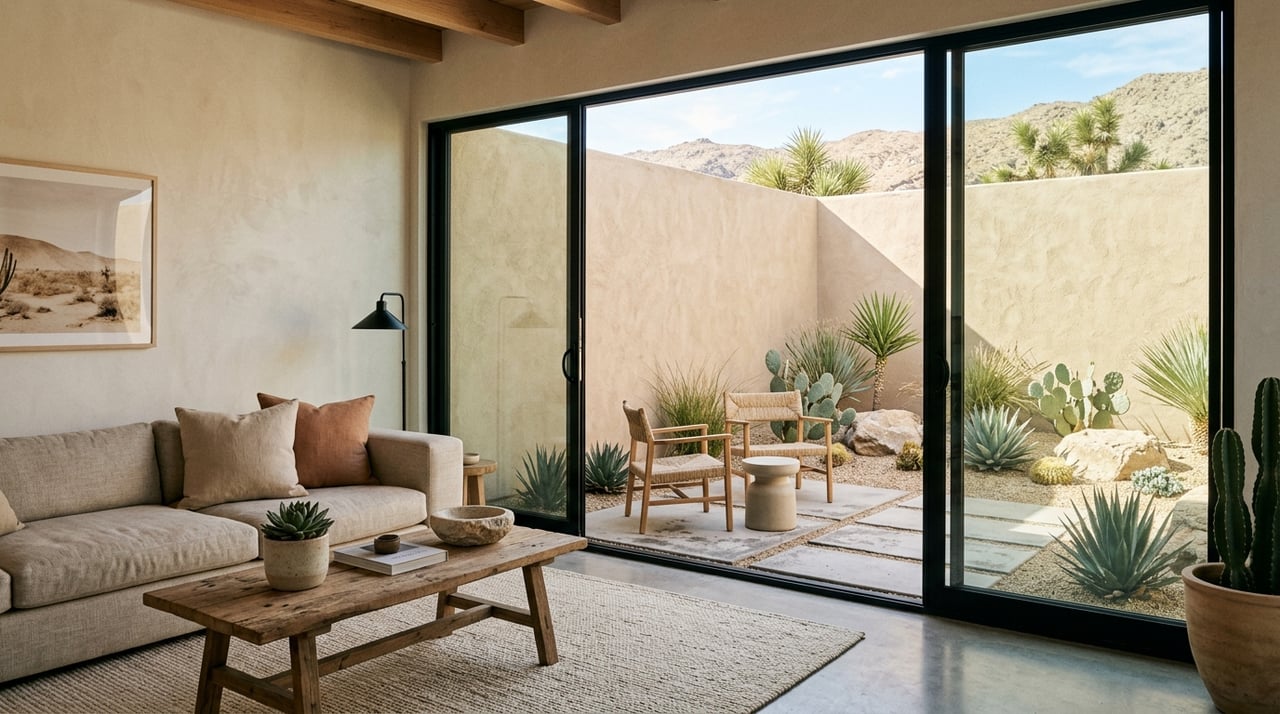
In Carefree, the setting is part of the product. The town’s own description emphasizes desert beauty, starry skies, and sweeping views, and recent listings reflect that same buyer appeal. If your marketing focuses only on square footage, bedroom count, and a list of appliances, you may miss what makes the property truly valuable.
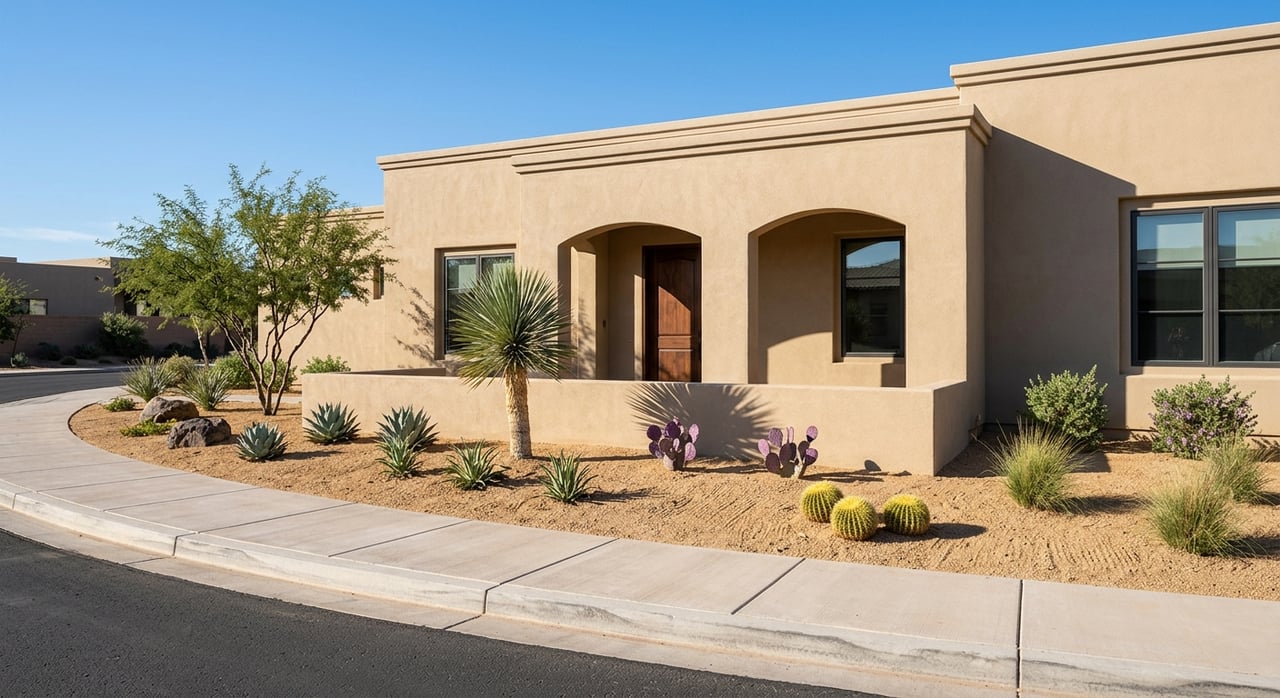
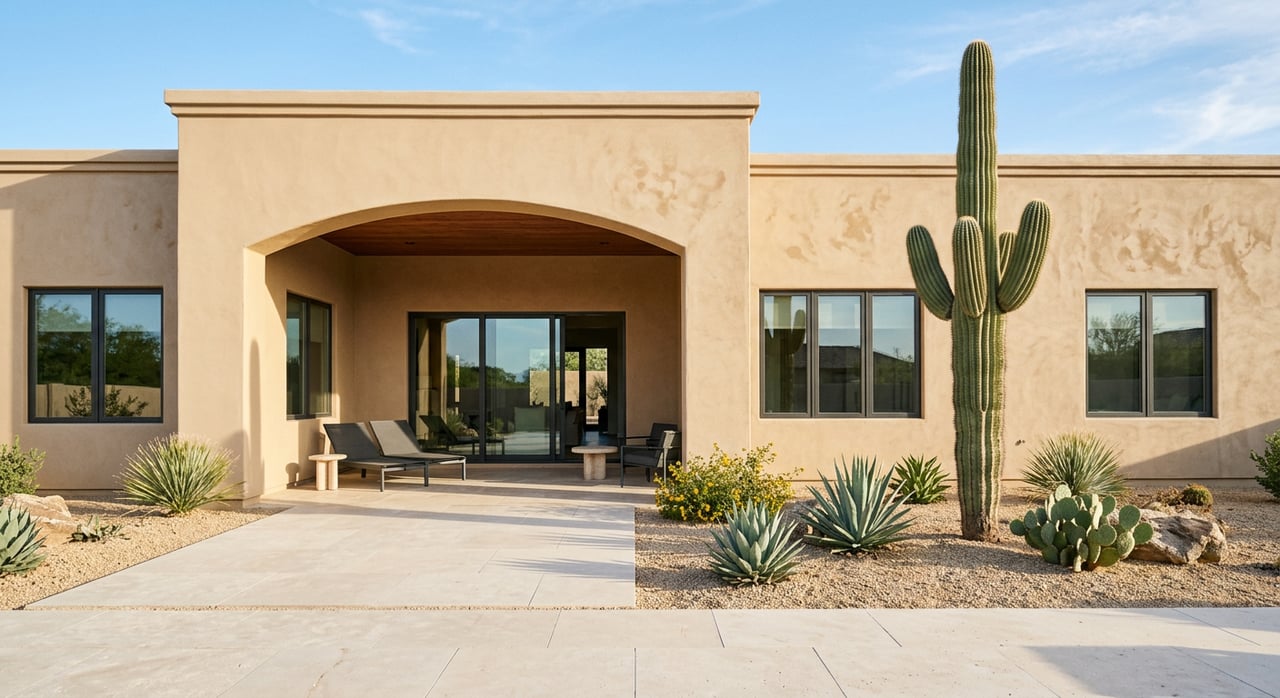
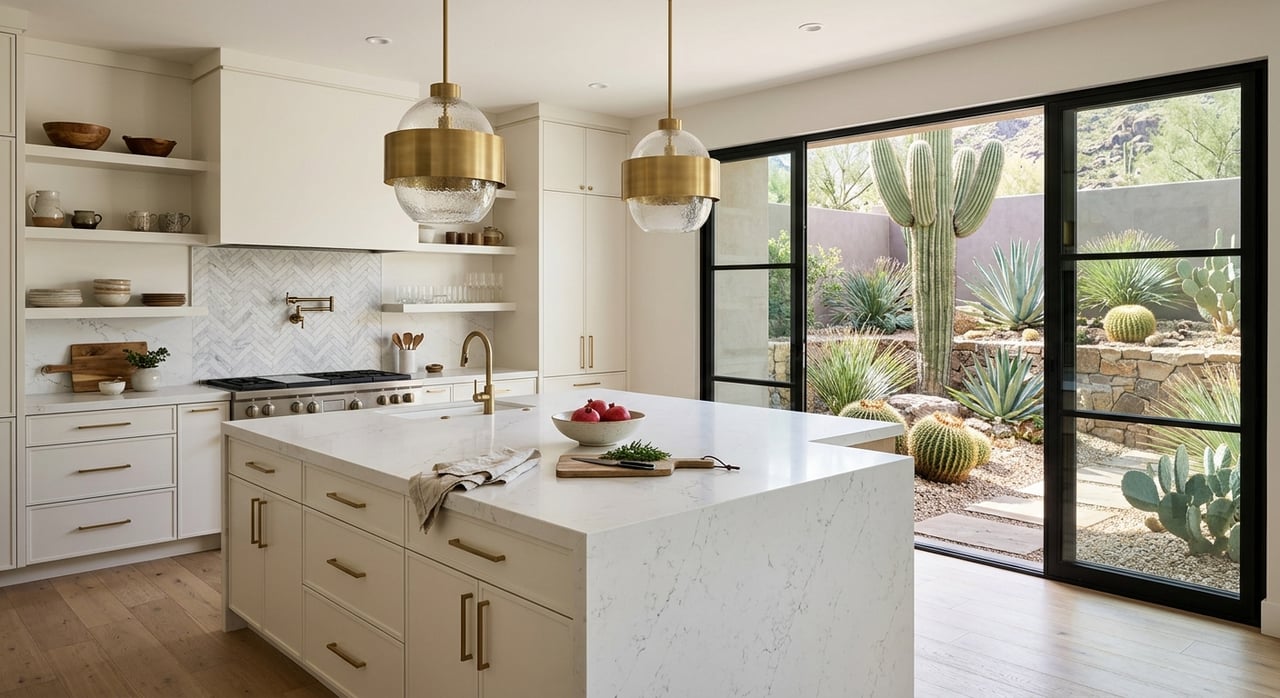
Recent listing examples highlighted features such as one-acre lots, saguaro and mountain views, private artist casitas, oversized patios, desert landscaping, pools, slump block construction, tongue-and-groove ceilings, and remodeled kitchens. Those details help buyers picture how the home lives and why it feels different from other options. That is exactly the kind of storytelling a custom home needs.
Features that deserve extra attention
If your home includes any of the following, they should be clearly presented in the listing and visual marketing:
- View corridors and mountain backdrops
- Outdoor dining and lounge areas
- Desert landscaping designed for the site
- Pool and spa features
- Courtyard entries or private patios
- Custom ceilings, masonry, or architectural finishes
- Detached casita, studio, or office
- Large windows that frame the landscape
Build a strong visual marketing package
Premium visuals are expected in Carefree. Current listings and sold pages commonly include video tours and 3D walkthroughs, which signals that buyers shopping in this segment want more than a few standard photos.
For a custom home, your media should show how the property sits on the lot and how indoor and outdoor spaces connect. Wide exterior shots, twilight photography, drone views where appropriate, and walkthrough-style video can help buyers understand privacy, orientation, and the feel of the home. That is especially important if your likely buyer is not making a decision based on square footage alone.
A strong visual package should also help answer the buyer’s unspoken questions. What do the main living areas look toward? How does the pool relate to the patio space? Is the guest casita separate enough for visitors or work? In a niche market, clear visuals reduce friction and help serious buyers engage faster.
Tell a better property story
The written description of a custom home should do more than list features. It should explain how the property works as a whole.
In Carefree, that story often starts with the site. You may need to explain how the home captures mountain views, how outdoor spaces are arranged for dining or entertaining, or how landscaping complements the desert environment. Buyers are often responding to the full experience of the property, not just the interior finishes.
Good listing copy also helps buyers understand what is truly custom. That might include special construction methods, hand-selected design elements, a remodeled kitchen, custom wood ceilings, or a thoughtfully designed studio or casita. The goal is to show why the home is distinctive and why its value goes beyond a simple online price-per-square-foot comparison.
Prepare your documentation before listing
Custom-home buyers often ask more detailed questions, and the best time to prepare answers is before your home hits the market. A complete pre-listing file can build trust, support value, and help prevent delays once you are under contract.
The Arizona Department of Real Estate says sellers are obligated to disclose known material latent defects, and its consumer guidance states that every buyer should receive an SPDS. Under the resale contract framework referenced by ADRE, the seller is required to deliver the SPDS within five days after acceptance.
For many custom homes, buyers will want specifics that go beyond a basic seller disclosure. Gathering records early helps you respond with clarity instead of scrambling later.
Documents to gather early
Consider organizing:
- Roof age and repair history
- HVAC service and replacement records
- Pool and spa equipment information
- Solar equipment details, if applicable
- Remodel and addition permits
- Final inspections and contractor invoices
- Drainage or grading work records
- HOA or design-review approvals, if applicable
- Utility information and service details
Be ready for local review and design questions
In Carefree, documentation can matter even more because of local planning and design standards. The town’s Planning and Zoning information notes that certain development activity may require review by bodies such as the Planning and Zoning Commission, Development Review Board, Board of Adjustment, and Town Council. The town also publishes single-family and mountainside design standards and landscape guidelines.
If your home has had major additions, exterior changes, grading work, or landscape improvements, buyers may want reassurance that the work was properly reviewed and completed. Organized records help support confidence in the property and can make your listing feel more turnkey.
This is not just about paperwork. It is also about protecting your negotiating position. When you can clearly show what was done, when it was done, and how it was approved, buyers have fewer reasons to discount the property based on uncertainty.
Address utility and risk questions upfront
Local buyers often look closely at ownership costs, utility setups, and desert-property maintenance. If your home is served by Carefree Water Company, it may help to include relevant utility information in your listing file, since the utility publishes annual water-quality reports and service information.
Risk-related questions can also come up in desert communities. Carefree has highlighted Firewise USA certification efforts and emphasizes defensible space and wildfire mitigation. If you have completed property maintenance or landscaping work that supports defensible space, it may be useful to organize that information ahead of time.
Proactive preparation can make your home easier to evaluate. That helps serious buyers feel more comfortable, and it can reduce the chance of avoidable surprises during escrow.
Set realistic expectations on timing
Even well-prepared custom homes can take longer to sell than standard homes. Carefree is a niche, lower-density market with a smaller buyer pool, and the town’s 2020 profile shows a population of 3,860, a median age of 69.4, and a homeownership rate of 85.8%. In a market like this, uniqueness can be a strength, but it can also mean the right buyer takes time to find.
That is why strategy matters from day one. A thoughtful price, polished presentation, complete documentation, and a clear property story can help your home stand out without relying on repeated price cuts. If your home is positioned correctly from the start, you give yourself a better chance to protect value in a buyer’s market.
Why custom homes need a tailored plan
Selling a custom home in Carefree is about more than putting a sign in the yard. You are marketing a specific experience: the lot, the views, the architecture, the outdoor living, and the lifestyle the property offers. In a market where buyers are selective and multiple offers are uncommon, that level of detail matters.
A tailored plan helps you avoid the most common mistakes, especially overpricing, under-explaining unique features, and going to market without complete records. When your home is marketed as a place, not just a house, you put yourself in a stronger position to attract the right buyer.
If you’re thinking about selling a custom home in Carefree and want a strategy built around your property’s true strengths, Mary Jones offers thoughtful, high-touch guidance backed by deep local market knowledge.
FAQs
What makes selling a custom home in Carefree different from selling a standard home?
- Custom homes in Carefree often compete on views, lot quality, privacy, architecture, outdoor living, and finish level, not just size or bedroom count.
How should you price a custom home in Carefree, AZ?
- You should use a tight set of comparable properties based on lot, views, updates, site improvements, and design features rather than relying on broad ZIP code averages.
How long does it take to sell a home in Carefree?
- As of March 2026, Redfin reports median days on market of 79 in Carefree, with homes going pending in about 83 days on average.
What documents should you prepare before listing a custom home in Carefree?
- Useful records include permits, final inspections, contractor invoices, roof and HVAC history, pool equipment details, solar information, drainage records, and any HOA or design-review approvals.
Why do views and outdoor spaces matter when selling a Carefree home?
- Carefree’s market identity is closely tied to mountain vistas, desert landscaping, dark skies, and outdoor living, so buyers often see the setting as part of the home’s value.
What seller disclosures matter in an Arizona resale transaction?
- The Arizona Department of Real Estate says sellers must disclose known material latent defects, and buyers should receive an SPDS, which the seller is required to deliver within five days after acceptance under the resale contract framework referenced by ADRE.