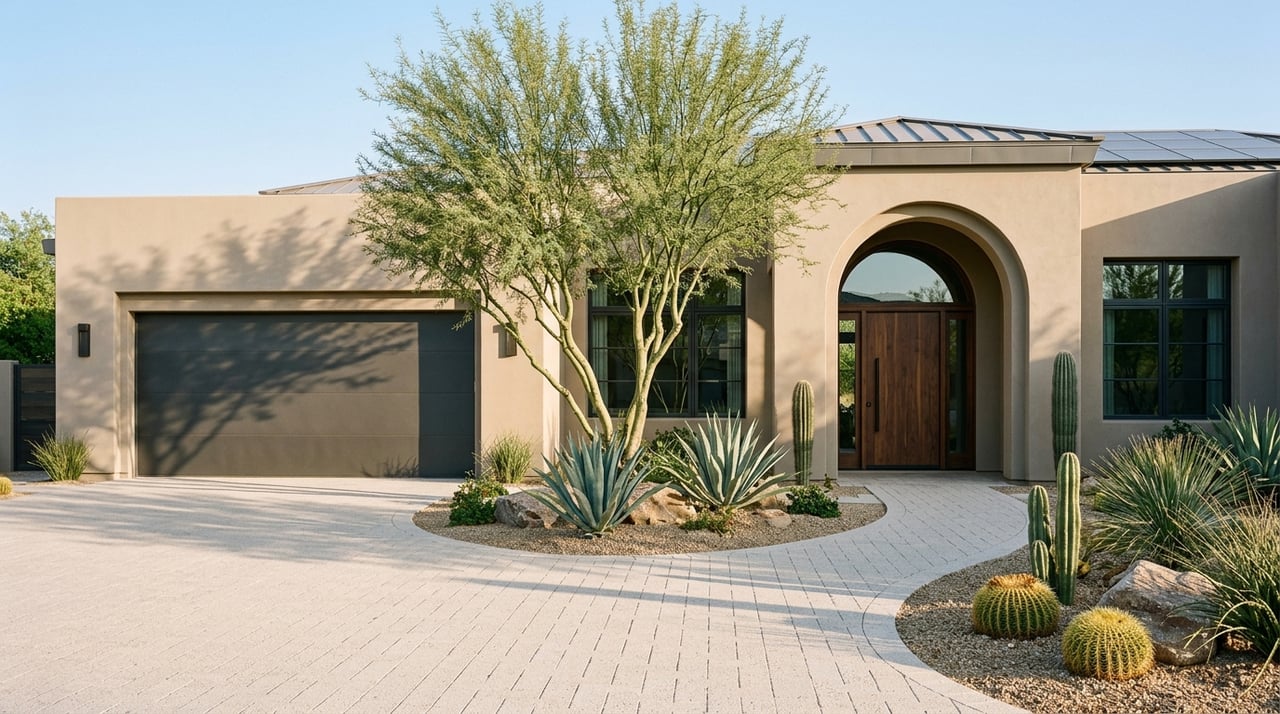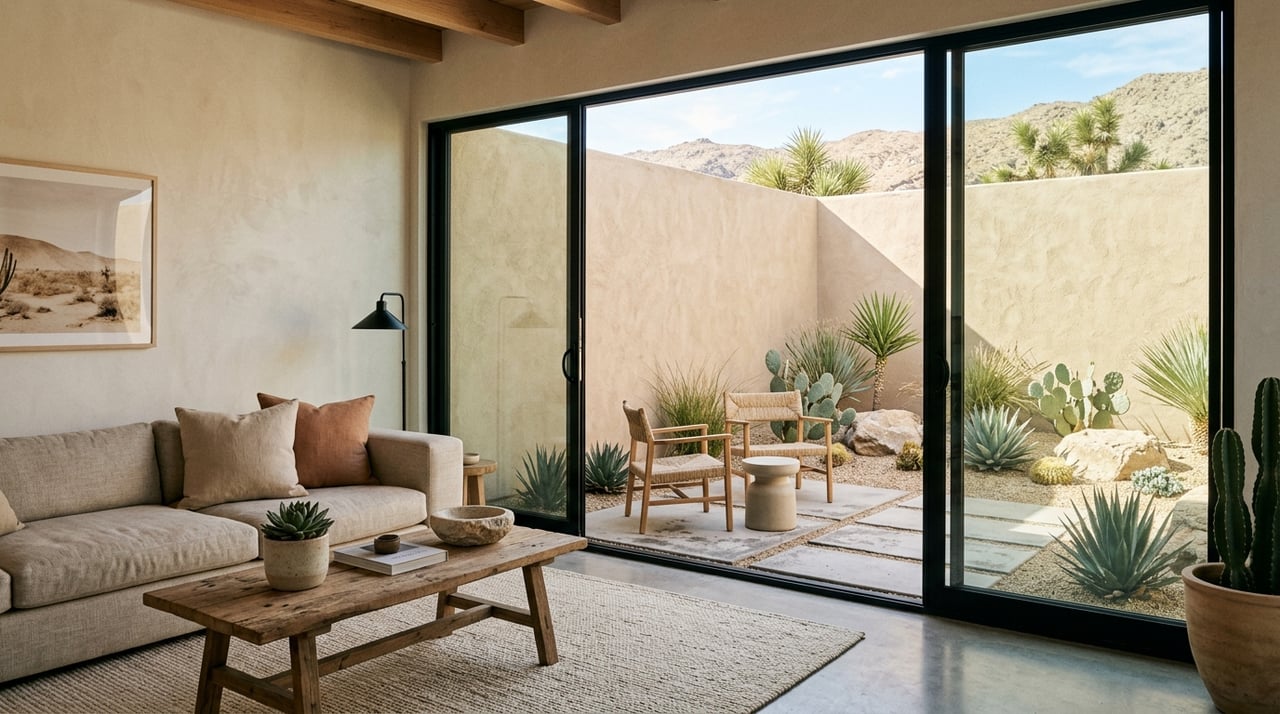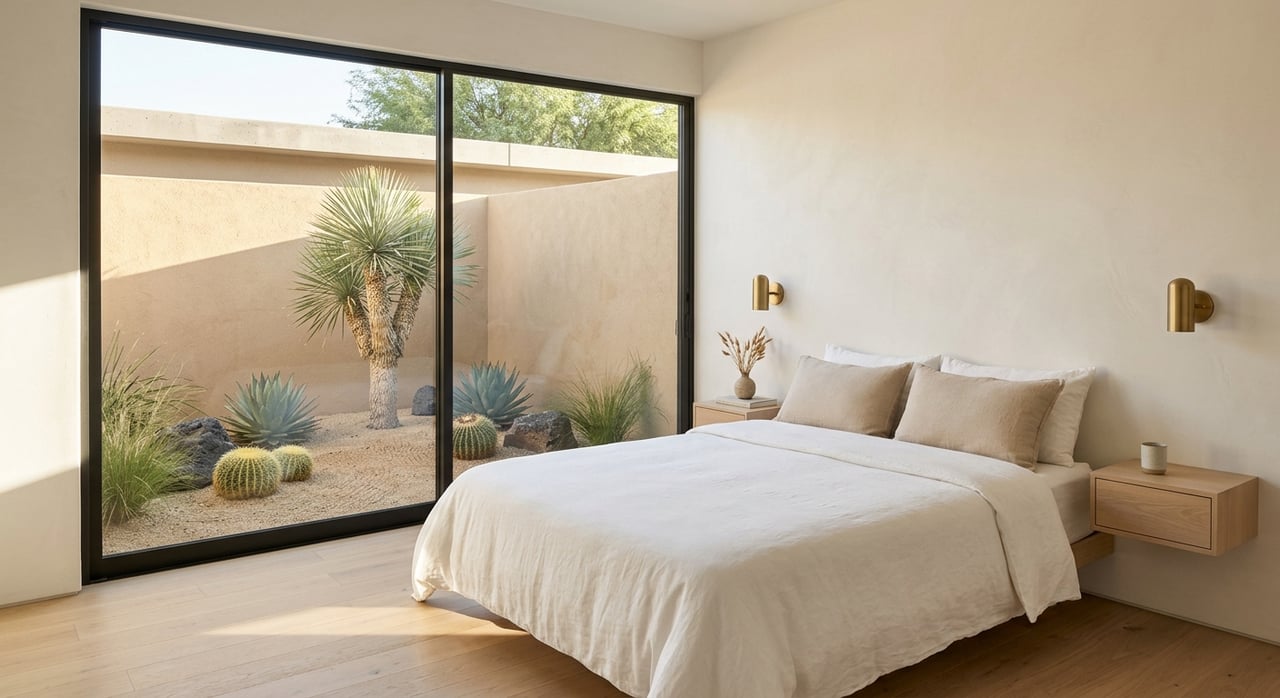
Thinking about turning your Cave Creek second home into a rental? It can be a smart way to create income, especially if you only use the property part of the year. But in Cave Creek, this choice is not just about pricing and demand. It also comes with local licensing, safety, tax, and day-to-day operating rules you need to understand before you list. Let’s dive in.
Why Cave Creek can support rentals
Cave Creek draws visitors with a distinct western desert identity, plus golf, hiking, art galleries, shops, history, live bull riding, and convenient access to downtown Phoenix. That mix can make furnished seasonal rentals appealing for owners who want to hold a second home instead of selling it.
Arizona’s broader travel picture also supports the idea of ongoing seasonal demand. The Arizona Office of Tourism estimated 9.9 million overnight visits in 2024, and fourth-quarter overnight visitation was 1.3% above the same period in 2023. Leisure travelers made up 82.5% of those fourth-quarter overnight visitors, which helps explain why winter rental demand remains meaningful across the state.
Start with your rental strategy
Before you furnish a room or draft a listing, decide what type of rental you actually want to run. In Cave Creek, the rules and operating style change in a big way depending on whether guests stay fewer than 30 days or 30 days or more.
A short-term rental can align well with seasonal travel patterns, but it comes with more local compliance steps. A rental of 30 days or more moves into residential rental rules, which can simplify the tax side but still requires planning, registration, and ongoing management.
Short-term rental under 30 days
For Arizona tax purposes, a short-term residential rental means a stay of less than 30 days. According to the Arizona Department of Revenue, that income is subject to Arizona transaction privilege tax, and owners can obtain a seasonal TPT license through AZTaxes by choosing the seasonal filing option.
Cave Creek also adds local requirements. The town says a business license is required to do business in Cave Creek, with a $50 fee and annual renewal due by December 31. Separate from that, the town’s short-term rental code requires a current short-term rental license for each dwelling unit, and that license lasts one year and is not transferable.
Residential rental for 30 days or more
If you rent the home for more than 29 days, the property falls under residential rental rules. The Arizona Department of Revenue says that beginning January 1, 2025, residential rental owners should no longer collect or remit city TPT on long-term residential rent, and there is currently no state or county tax on residential rentals.
That does not mean you can skip setup steps. Maricopa County requires residential rental registration with the Assessor, and the county distinguishes a secondary home from a registered rental. If you are converting a second home into a rental, expect a records update rather than treating it as a simple side use.
What Cave Creek requires for short-term rentals
If you plan to offer stays under 30 days, Cave Creek’s local rules deserve close attention. This is where many owners underestimate the amount of preparation involved.
Before first offering the home as a short-term rental, the owner or designee must notify nearby residential properties. The owner must also keep a 24-hour emergency point of contact on file and keep that contact information current if it changes.
The town also requires the short-term rental license number to appear on each advertisement for the property. If you create a listing before the license details are in place, you may be setting yourself up for problems from the start.
Safety and operations matter
Cave Creek’s code goes beyond paperwork. Short-term rental owners must maintain at least $500,000 of liability insurance unless equivalent primary coverage is provided by an online lodging marketplace, and proof must be supplied to the town.
The code also requires:
- Working smoke alarms
- A posted floor plan and emergency information sheet
- Cleaning between stays
- Bi-monthly pest control
- Pool or spa barriers when those amenities are accessible to renters
These are not optional upgrades. They are part of the local compliance picture and should be handled before the property goes live.
Events are not allowed
Some owners think they can boost income by marketing a home for parties, dinners, or hosted events. In Cave Creek, that is not the right approach.
The town prohibits using a short-term rental for non-residential uses such as a retail business, restaurant, event center, banquet space, or similar use. If you are comparing income options, focus on lawful lodging use rather than event-style bookings.
What to prepare before listing
Once you know your rental path, shift your thinking from ownership to operations. A second home used by family a few times a year is very different from a property that needs to function smoothly for guests or tenants.
Start by separating owner use from renter use. Inventory personal items, decide what stays in the home, create owner storage space, and keep guest-facing instructions clear and easy to find. This becomes especially important when you need visible emergency information and consistent turnover standards.
If you plan a furnished seasonal rental
A furnished seasonal rental needs hospitality-style systems. You will likely need a reliable cleaning schedule between stays, a process for restocking basics, simple home instructions, and someone who can respond quickly if a problem comes up.
In Cave Creek, the most important visible items are the safety basics. Make sure smoke alarms work, emergency details are posted, cleaning is scheduled, and any required pool or spa barrier is in place before the first booking.
If you plan a long-term lease
A long-term rental operates more like a traditional housing arrangement. Arizona court guidance points to key landlord responsibilities such as providing the lease, disclosing utility responsibilities, delivering the unit at move-in, keeping the property fit and habitable, handling repairs, and following notice rules for entry.
That means your setup should include:
- A written lease
- A move-in inspection form
- A repair and maintenance process
- Deposit recordkeeping
- A plan for giving proper written notice before entry, unless there is an emergency
Build the right support team
Even if you are comfortable handling real estate decisions, turning a second home into a rental usually works best with a solid team. In Cave Creek, short-term rental compliance can involve licensing, advertising, insurance, tax filing, emergency contacts, safety standards, cleaning, and maintenance.
Depending on your situation, that team may include a property manager, CPA or tax preparer, attorney, insurer, cleaner, handyman, and pest control vendor. If you live out of state or simply do not want late-night calls, planning for the 24-hour emergency contact role is especially important.
If a property management company handles tax filing for a short-term rental, the Arizona Department of Revenue notes that the landlord remains ultimately liable for the tax. In other words, hiring help does not remove owner responsibility. It makes choosing the right help even more important.
For some nonresident owners, Maricopa County also requires an Arizona statutory agent for rental registration. That is another reason to get your local support structure in place early.
Should you rent or sell instead?
If your second home is no longer getting enough personal use, you may be weighing rental income against a sale. In Cave Creek, that comparison should be based on net results, not just top-line rent.
A realistic rental analysis should account for taxes, insurance, management, cleaning, maintenance, vacancy, and compliance costs. A realistic sale analysis should focus on likely net proceeds after closing costs and timing. When you compare the two clearly, the better option often becomes much easier to see.
This is where a consultative approach matters. Sometimes a seasonal rental makes sense because you want flexibility and ongoing income. Other times, the operational demands are more than you want to take on, and selling is the cleaner path.
If you are trying to decide what your Cave Creek second home could earn as a rental, or whether a sale would put you in a stronger position, talking through the numbers and the logistics can save you time and stress. When you are ready for a clear, local strategy, connect with Mary Jones.
FAQs
Do I need a short-term rental license for a Cave Creek home?
- Yes. Cave Creek requires a short-term rental license for each dwelling unit, and it is separate from the town’s general business license.
What changes when a Cave Creek rental is 30 days or more?
- A stay of more than 29 days moves into residential rental rules. The tax treatment is simpler, but Maricopa County still requires rental registration with the Assessor.
What must a Cave Creek short-term rental owner do before listing?
- Before first offering the home as a short-term rental, the owner or designee must notify nearby residential properties, keep a 24-hour emergency contact on file, and make sure the required license information is ready for advertising.
What safety items are required for a Cave Creek short-term rental?
- Cave Creek requires working smoke alarms, a posted floor plan and emergency information sheet, cleaning between stays, bi-monthly pest control, and pool or spa barriers where applicable.
Can I host parties or events at my Cave Creek rental home?
- No. Cave Creek prohibits non-residential uses such as retail business use, restaurant use, event-center use, banquet-space use, or similar use in a short-term rental.
Does Maricopa County require registration for a Cave Creek long-term rental?
- Yes. Maricopa County requires residential rental property to be registered with the Assessor, and some out-of-state owners must designate an Arizona statutory agent.